Reviving Our Rivers

Reviving rivers. One catchment at a time.

We restore degraded rivers and their banks across thirty-seven catchments in England and Wales. In 2025 alone, we restored 68 km — removing weirs, re-meandering straightened channels, planting native alder buffer strips, and fencing livestock out of sensitive stretches. £50 restores 10 metres of riverbank habitat.

What river restoration involves

Physical work, specific catchments, measurable outcomes.

River restoration is not landscaping. It is ecological engineering — working with catchment hydrology, sediment dynamics, and species requirements to return rivers to a state they can maintain themselves. Our staff include freshwater ecologists, hydrologists, and experienced conservation contractors. Volunteers work under their supervision on every project.

We prioritise catchments where restoration will have the greatest ecological return: rivers that once supported otter, brown trout, or water vole populations and can do so again with targeted intervention.

Barrier removal and remeandering

Weirs and culverts block fish migration and trap sediment. Re-meandering straightened channels slows water flow, reduces flood risk downstream, and creates varied habitats — riffles, pools, marginal vegetation.

Riparian planting

Alder (Alnus glutinosa) is our primary planting species. Its roots fix nitrogen, stabilise banks, and create the shaded, cool-water conditions that trout and invertebrates depend on. We plant in buffer strips set back from the water's edge.

Why river restoration works

Three things that change when a river is given room to recover.

Wildlife returns

Once barriers are removed and habitat restored, fish, invertebrates, and mammals follow. Otter activity in our priority catchments is up 42% since 2010. Brown trout populations on the Afon Cothi reached densities not recorded since the 1970s.

Water quality improves

Riparian vegetation filters agricultural runoff before it enters the water. Restored channel morphology reduces sediment suspension. Our Water Quality Watch network monitors the results at 8,400 sites monthly.

Communities reconnect

Restored rivers become places people use again: for fishing, walking, swimming, and watching wildlife. We run 127 public events annually, many of them on or beside catchments we have worked on.

From people doing the work

Volunteers and community partners on what river restoration looks like from the ground.

Join a river work day

River Work Days run monthly on active restoration sites. No experience is needed — our conservation staff lead the work, from planting alder whips to fencing river margins. You need waterproof boots and a willingness to get muddy.

For those who want to go further, our River Restoration Corps trains volunteer leaders who can run their own work parties on local rivers.

Gallery of Restoration

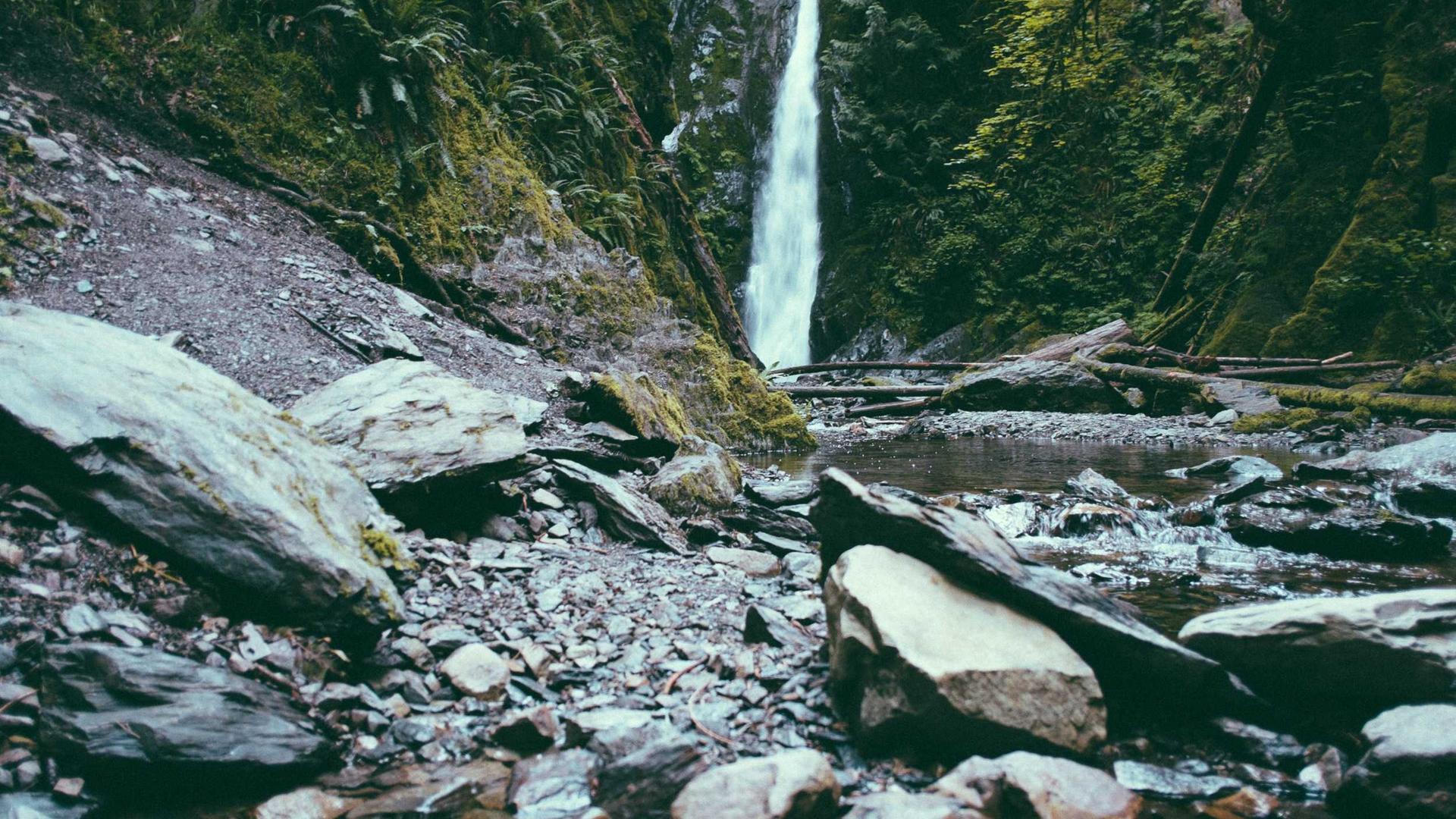
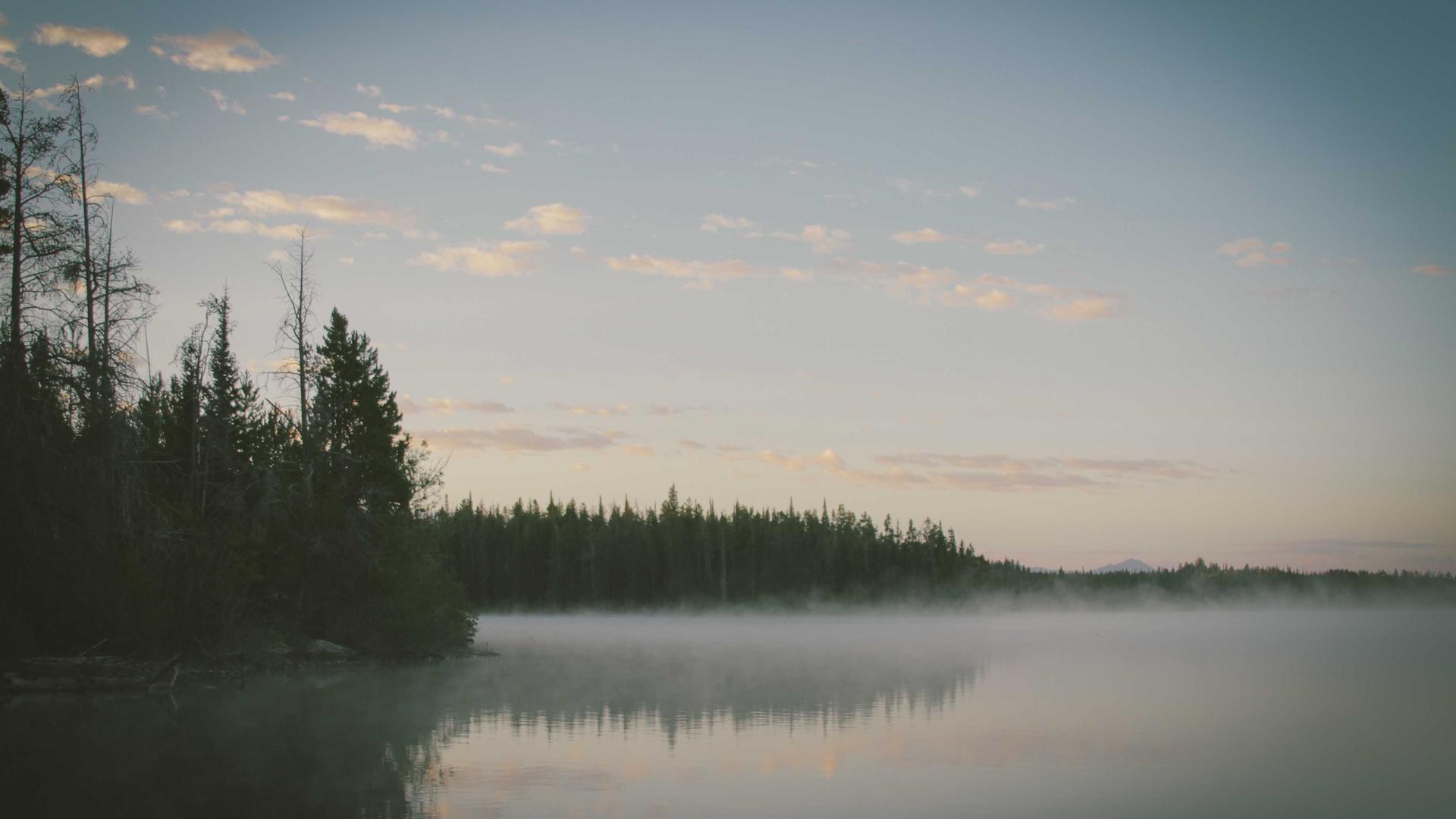
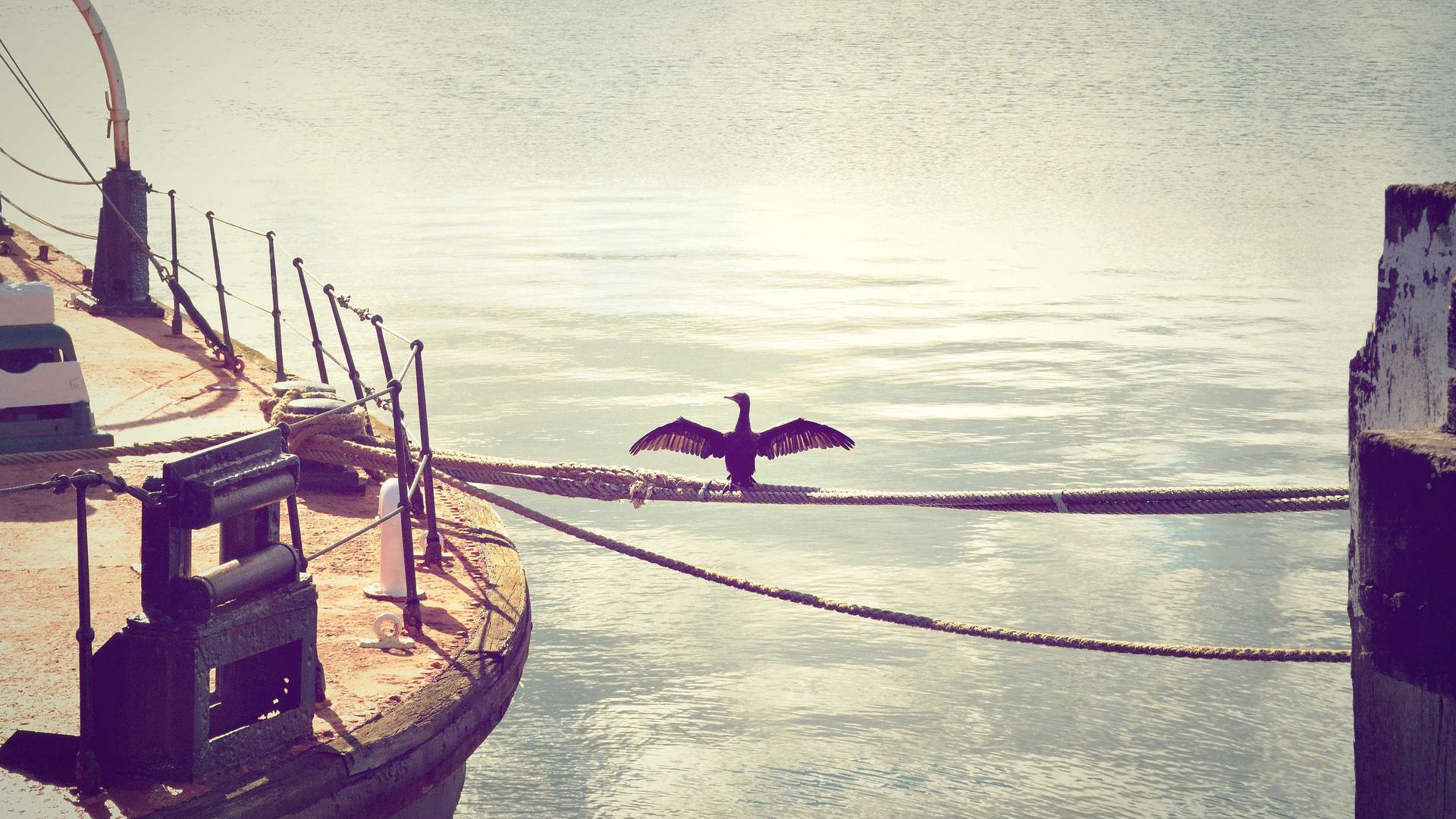
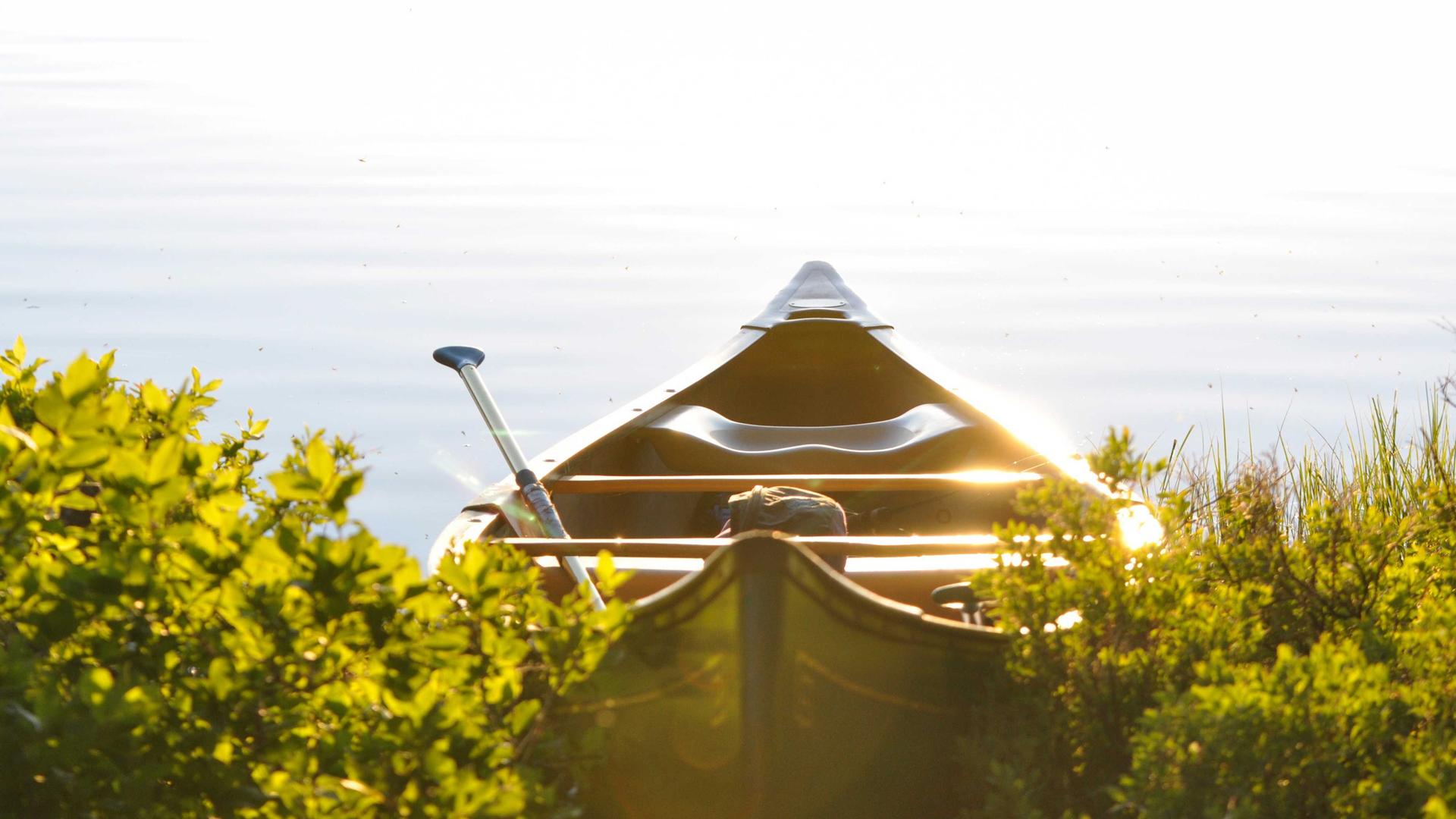
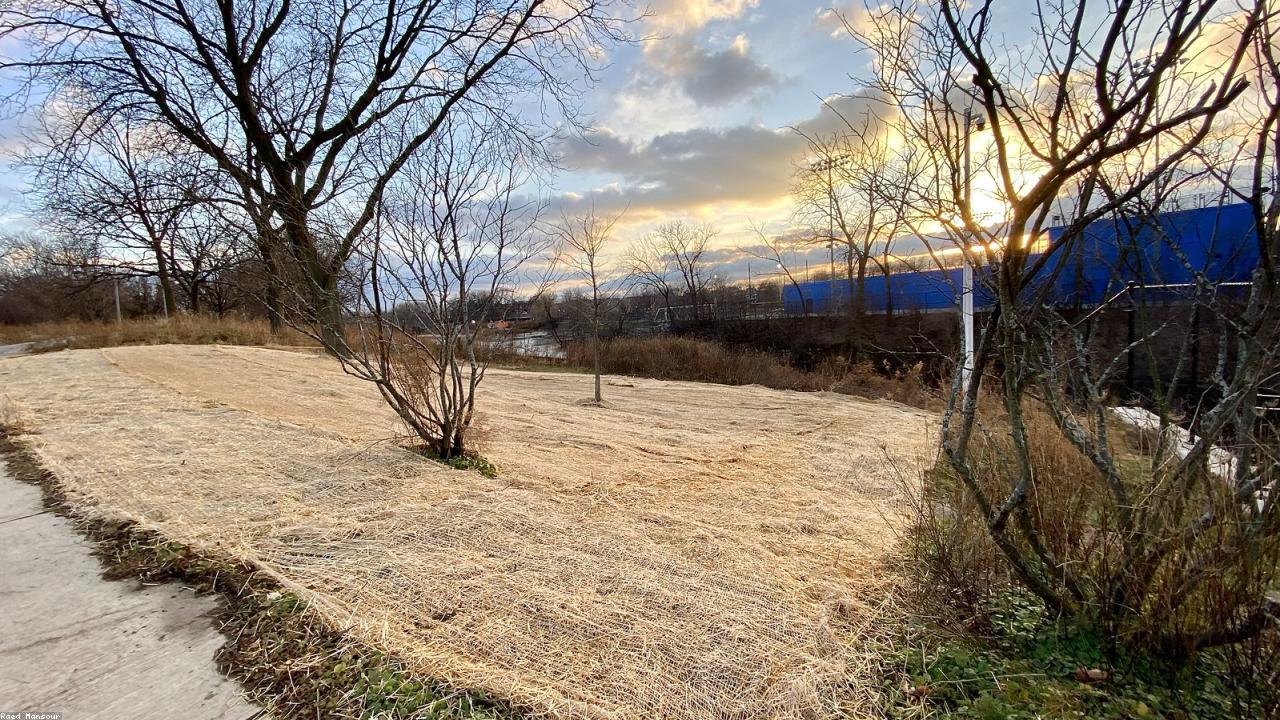
Explore the transformative journey of river restoration. These images capture our progress and the vibrant ecosystems we aim to revive.

Common Questions

Understanding River Restoration and Our Work
What is a River Work Day?

A River Work Day is a hands-on volunteer event where a small team spends a day on a specific river section carrying out practical restoration tasks. Depending on the site, that might mean removing invasive Himalayan balsam or Japanse knotweed, reinstating meanders, installing deflectors to improve flow, or clearing debris from fish passes. Work Days run from April through October, are led by a qualified River Restoration Officer, and require no prior experience. Most run 9am–4pm; tools, gloves, and refreshments are provided.

We work across river catchments in England and Wales where rivers are under the most pressure. Current active programmes include the River Wye and its tributaries, the Kennet and Avon catchments, the Upper Brue in Somerset, and several chalk streams across the Hampshire Avon system. The Afon Cothi in Wales is our longest-running single-site restoration project, now in its eighth year. A full map of active sites is published in our annual Impact Report, available on the Impact page.

Funding comes from a mix of sources that we have built up over 27 years. Government and statutory grants — including the Environment Agency’s Water Environment Fund and Natural England’s Species Recovery Programme — account for roughly 45% of programme income. The National Lottery Heritage Fund has supported three major multi-year projects. Corporate partnerships, individual giving, and legacy gifts make up the remainder. Every donation goes into our Restoration Fund, which is independently audited and reported in full in our Annual Review.

Yes — group volunteering is one of the most effective ways to get significant work done in a single day. We regularly host corporate teams, university conservation societies, and community groups. Groups of 8 to 30 people can be accommodated at most sites. We ask that group bookings are made at least three weeks in advance so we can plan the task, arrange equipment, and brief your group lead. Email our Volunteer Coordinator at volunteers@alderandotter.org.uk with your preferred date, group size, and location.

We measure restoration success across three timeframes. Immediately after works, we record physical changes: channel width, sinuosity, substrate composition, and riparian vegetation coverage. At one and three years we conduct macroinvertebrate surveys — the insect life in a river is one of the most reliable indicators of ecological health. Otter and water vole presence is monitored through sign surveys each spring. We also run continuous water quality sensors at 14 sites that log temperature, dissolved oxygen, pH, and conductivity. All data feeds into our published River Health Scores.